Home Organisational intelligence For coaches For players What you get Evidence About Book a demo

What your organisation can see once the evidence is in one place.

Individual assessments are useful to a coach. Aggregated, they answer questions no club can currently answer at all.

Illustrative analysis, modelled on more than 1,200 real assessments of over 300 players by more than 25 assessors.

Your entire organisation, in a snapshot.

Pathway skill mapAll age groups, current season
U11U12U13U14U15U16U18
Batting
Fast bowling
Spin bowlingn/an/a
Fielding
Wicket keepingn/an/a
Physical
Mental
Tacticaln/an/a
Mean grade, one to ten. Hatched squares hold too little evidence to grade.

See strengths, gaps and blind spots

Aggregate structured assessments across age groups and a pathway level picture appears that selection meetings, spreadsheets and coach memory cannot produce. Including the squares where you hold no evidence at all.

  • Where are we strongest and weakest across the pathway?
  • Which skills are we not really assessing?
  • What evidence sits behind our selection decisions?
Mean grade by age groupBatting, three season trend
U11
U12
U13
U14
U15
U16
U18

The dip at U15 is the sort of pattern that is invisible in a spreadsheet and obvious here. It is a question worth asking, not a conclusion.

See how development changes across the pathway

Repeated assessments of the same players build a longitudinal record, so you can see where players and whole cohorts improve, plateau or respond to an intervention. That is what tells you where the next bit of coaching time and budget should go.

  • Which age groups are moving and which have stalled?
  • Did that intervention actually change anything?
  • Where does the next bit of resource do most good?

Read alongside demographic data, the same evidence base shows whether gaps between groups are opening, holding or closing. Equity comes out of the intelligence rather than sitting apart from it.

Coach scoring varianceControlled for player characteristics
Scores above expectedScores below expected

Each dot is a coach. Distance from the line is how far their grading sits from what the model expects.

Assess the assessment process itself

Differences between coaches often have good reasons. Control for the relevant player characteristics and you can see where a coach consistently scores higher or lower than expected, which turns a suspicion into something you can act on.

  • Where would calibration help most?
  • Did consistency improve after that CPD session?
  • Do we interpret the scoring descriptors the same way?
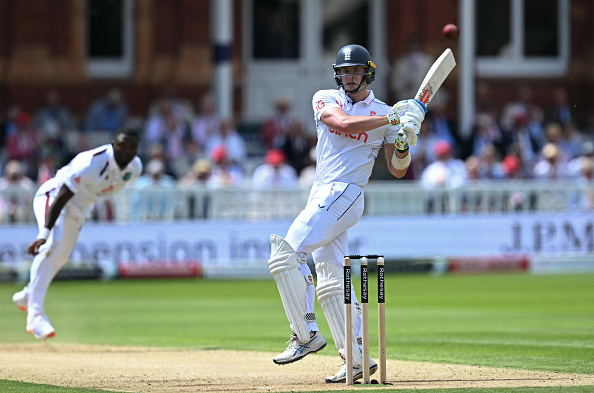
A county age group player batting in a match

Evidence changes the conversation.

Selection, progression and release decisions arrive with the record behind them. The conversation in the room starts from what the coaches recorded across the season, rather than from whoever speaks with the most confidence.

The visibility we now have supports fairer conversations and ensures every player has a clear path to improve.
Talent Pathway LeadFirst-class county

What becomes possible over several seasons.

The immediate value is visibility, consistency and better-informed decisions. As repeated assessments accumulate, the same evidence base supports deeper organisational learning.

Benchmark

Place players and pathway patterns in context against appropriate norms, so a grade means something beyond this squad.

Evaluate

See whether targeted coaching or support is followed by measurable development, rather than assuming it was.

Connect

Explore how structured coaching assessments relate to match performance, and which elements of a skill tend to develop first.

Illustrative data throughout, modelled on the pilot with a first-class county.

Three people, one record. The value only holds together because they are all looking at the same evidence rather than three versions of it.

Who is reading this.

Director of cricket

Holds the budget and answers to a board. Needs to know where next season’s coaching time and money should go, and to be able to show why, in a room where someone will ask.

Head of talent pathway

In it every week. Runs selection, sets the coaching plan, and is the person who notices that spin at U15 has almost no evidence behind it. The daily user, and the one who decides whether this is worth keeping.

Coaches

Supply the evidence and get their own view back. If it is a chore they will say so, and it stops. That is why the coach view has to be worth having on its own terms.

See what your own evidence already says.

A short walkthrough of the organisational view on a club of your size, using a worked example.

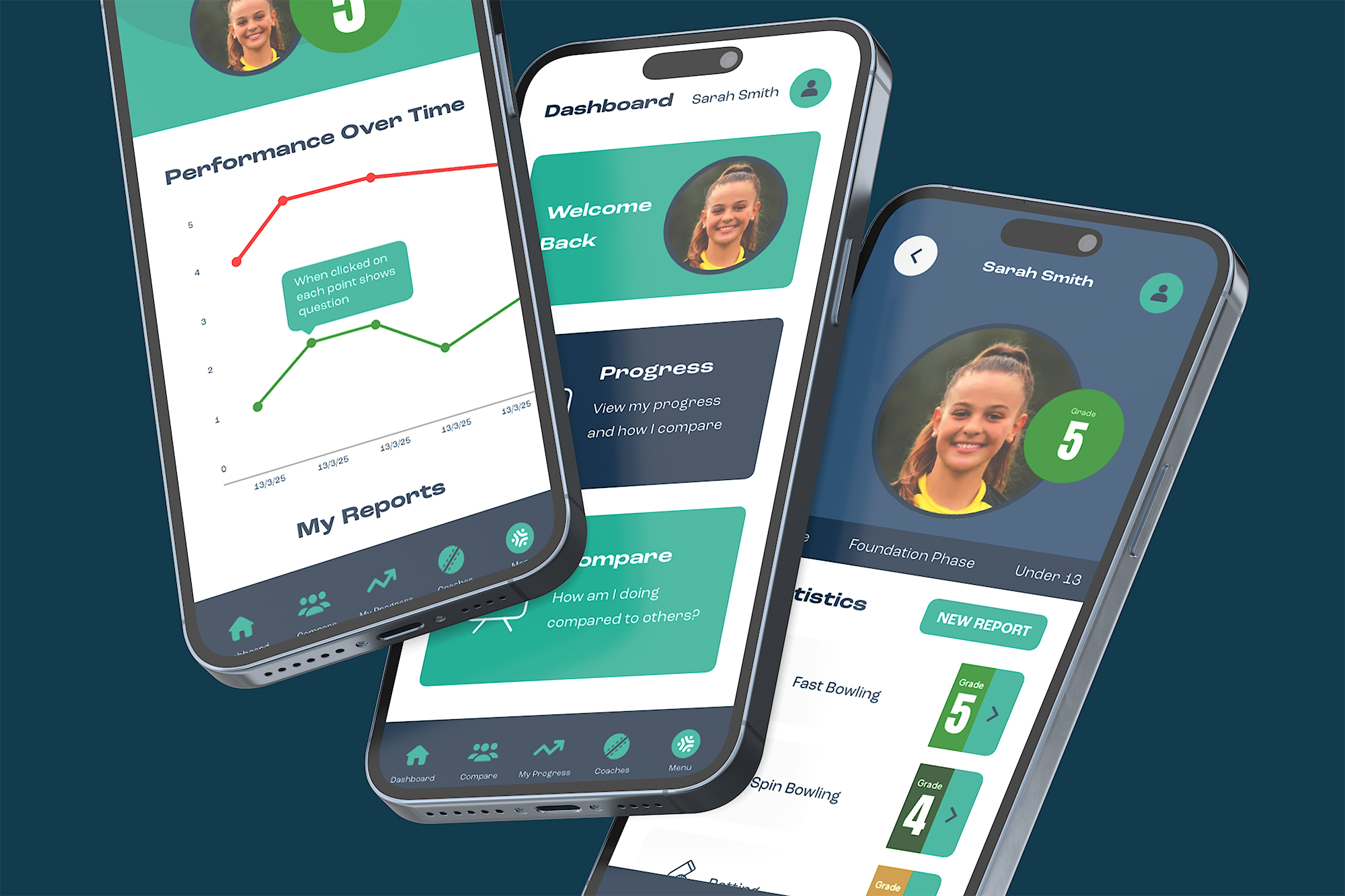
The EquiPlay app showing a player's progress and reports